

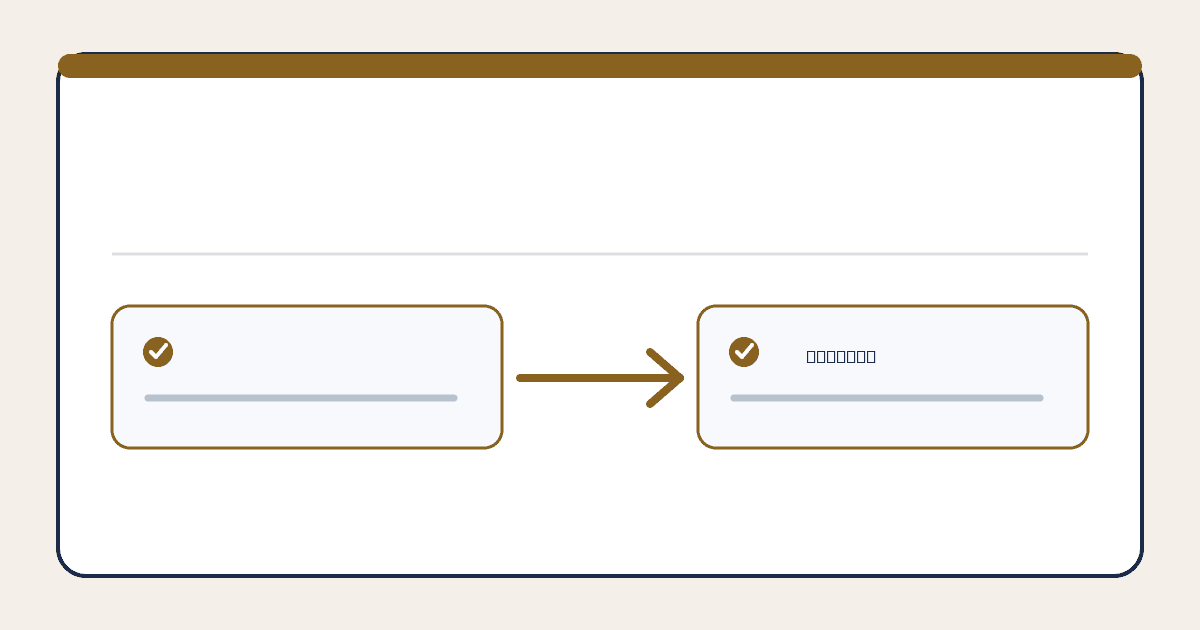
How can an executive office plan coverage without interfering with protected leave?
Abstract
The FMLA gives eligible employees of covered employers job-protected leave for qualifying reasons and includes continuation and restoration protections [1][2][6]. Coverage planning remains necessary in an executive office, but it should not turn into pressure to work, a demand for unnecessary medical detail, or a permanent transfer of the employee's role. The clean boundary is two records: qualified leave administration and a minimum-necessary operating handoff.
Methodology
This review uses ten Department of Labor and current regulatory sources on FMLA coverage, employee protections, notices, certification, leave calculation, records, forms, and restoration [1][2][3][4][5][6][7][8][9][10]. It does not determine eligibility, designate leave, interpret certification, or resolve interaction with state leave, disability, paid-leave, or collective bargaining rules.
Route a possible leave need to the qualified owner
An employee does not have to name the FMLA for the employer to receive information that may indicate a qualifying need [1][3][5]. A manager or executive should route the information to human resources or the designated leave administrator rather than deciding whether the reason qualifies.
The executive office needs only the status required to plan work: approved absence dates or schedule limits, the contact route for changes, and any authorized return information. Eligibility notices, designation, and certification belong with the qualified leave process [3][8][10].
Coverage records should describe work, not health
Build the handoff from open commitments, calendar dependencies, decision deadlines, systems, named backups, and escalation rules. Do not place a diagnosis, family member condition, certification, or treatment information in the coverage register.
The regulations require covered employers to keep medical certifications and related records confidential and separate from routine personnel files [3][7]. A shared executive handoff is the wrong place for them, even when the team is trying to help.
Intermittent leave needs a stable routing rule
Federal guidance recognizes intermittent or reduced-schedule leave in covered circumstances [2][5][9]. Operationally, the team needs a way to redirect urgent work during approved absence periods without requiring the employee to renegotiate each event with the executive.
Name a coverage owner and define which channel receives work. The leave administrator, not the executive calendar, determines how protected time is counted. Coverage metrics should measure missed handoffs or unavailable backup, not treat protected leave usage as a performance defect.
Temporary coverage does not erase restoration
FMLA protections generally include return to the same or an equivalent position, subject to the law's terms [2][5][6]. A temporary reassignment of calendars, files, or stakeholders should therefore have a clear end condition and accountable custody.
Record what moved, why it moved, the temporary owner, access granted, and the return or deletion step. Avoid presenting coverage success as proof that the returning employee's role is no longer needed.
Keep contact purposeful during leave
A leave administrator may need defined notices or updates. Routine work requests from the executive are different. Use one approved contact route and tell stakeholders who owns the work so the employee is not pulled back into operating decisions.
The final record should show leave-process ownership, coverage scope, privacy boundary, temporary access, restoration handoff, and unresolved workload risks. It should not state a medical conclusion. Retaliation and interference concerns require prompt escalation to the employer's qualified owner [1][2].
Key findings
- Potential FMLA information should be routed without requiring the employee to name the law [1][5].
- Leave administration and operating coverage need separate records.
- Medical certifications require confidential handling [3][7].
- Intermittent coverage should redirect work without penalizing protected time [2][9].
- Temporary handoffs need a restoration and access-closeout step [2][6].
Sources
- Fact Sheet 28: The Family and Medical Leave Act, U.S. Department of Labor
- Fact Sheet 28A: Employee Protections Under the FMLA, U.S. Department of Labor
- Employer Guide to the Family and Medical Leave Act, U.S. Department of Labor
- Employee Guide to the Family and Medical Leave Act, U.S. Department of Labor
- Family and Medical Leave Act Frequently Asked Questions, U.S. Department of Labor
- The Family and Medical Leave Act of 1993, as Amended, U.S. Department of Labor
- 29 CFR Part 825: The Family and Medical Leave Act, Electronic Code of Federal Regulations
- Fact Sheet 28G: Medical Certification Under the FMLA, U.S. Department of Labor
- Fact Sheet 28I: Calculation of Leave Under the FMLA, U.S. Department of Labor
- FMLA Forms, U.S. Department of Labor